

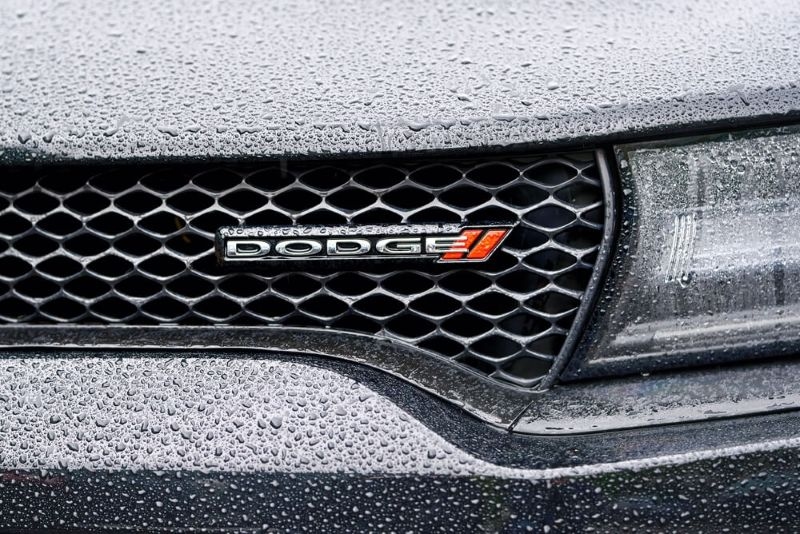
The muscle-car world has been in a weird mood lately. Big engines disappearing. New tech showing up. People arguing online like it’s a sport. Then Dodge rolls in with the Sixpack version of the new Charger and basically says, “Relax. We’re still doing fast. Just differently.”
So here’s the real question: is it actually buff enough, or is it a big badge with a big attitude? The honest answer is that it feels like a modern muscle car that’s trying to do two things at once: deliver real speed and still work as an everyday car. That mix is not always perfect, but it’s pretty compelling.
The 2026 Dodge Charger Sixpack is the gas-powered performance version of the new Charger lineup, built around a turbocharged inline-six. It’s not the old-school V8 formula people remember, and it doesn’t pretend to be. Instead, it leans into modern horsepower, modern traction, and modern drive modes.
And yes, it still wants to be dramatic. It still wants to feel like a Charger. It just does it with boost and grip instead of brute-force rumble.
Some muscle fans want a car that feels raw and a little chaotic. Others want something that’s fast, planted, and usable without white-knuckle moments every time it rains. This car tries to cover both groups.
That’s where the “Sixpack” approach makes sense. More control when you need it. More bite when you want it. But the vibe is different from the older Charger experience, no doubt. It feels more precise, more managed, and more “engineered.” Still fast. Still fun. Just less wild by default.
Let’s talk power, because that’s what people actually care about first.
The Sixpack setup is offered in two output levels, and it’s not a minor difference. The higher-output version is the one that answers the “buff enough” question with a grin. It hits hard, pulls strongly through the midrange, and keeps charging when most cars would be tapping out.
This is the part of the conversation where Dodge Charger Sixpack horsepower becomes more than a spec line. It changes the feel of the car. It changes the passing power. It changes how aggressive it feels even at normal speeds.
And that’s important because modern cars can be quick but numb. This one is quick and alive, especially when the boost is working.
Specs are boring until they change how a car behaves. These do.
The 2026 Dodge Charger specs highlight a turbo inline-six paired with an automatic transmission and a traction-focused drivetrain layout. The result is a car that launches cleanly and stays composed when power comes in. That’s a big deal, because “fast on paper” doesn’t matter if the tires can’t use it.
The overall build also feels more solid and modern than older generations. It has that heavy, planted confidence. Not light. Not delicate. More like a big athlete in a tailored suit. Quick feet, but still a big frame.
Here’s the thing about a muscle car: it can’t only be fun at illegal speeds. It has to feel special when someone is just driving to work, picking up food, or doing a late-night highway run.
That’s where 2026 Dodge Charger performance lands pretty well. It feels eager when merging. It feels strong when passing. It feels stable when the road isn’t perfect. It doesn’t ask the driver to fight it just to enjoy it.
But it also feels big. There’s no hiding that. In tighter corners, the car reminds you it has mass. It’s not pretending to be a small sports coupe. It’s a muscle car with modern grip and a modern attitude.
So if someone wants nimble and featherlight, this won’t scratch that itch. If someone wants fast, confident, and punchy, it absolutely will.
On a Similar Note: 2025 Toyota Prius Review with Hybrid Efficiency and Style
A lot of people hear “turbo six” and immediately assume it won’t feel like a muscle car. That’s a fair concern. Sound and character matter.
But the Dodge Charger Sixpack engine brings a different kind of personality. Instead of a constant rumble, it delivers waves of torque and a strong surge through the rev range. It feels like the car is always holding something back until the driver asks for it. Then it goes.
That kind of power delivery can feel addictive. It’s less about noise and more about force. Less “look at me” and more “try to keep up.”
And because it’s turbocharged, the tuning and drive modes matter more than people expect. The car can feel calm or aggressive depending on the setup. That gives it range, which older muscle cars didn’t always have.
Here’s where the review needs to be real, not poetic.
This Charger is not trying to time travel. It’s not trying to recreate the exact feel of older generations. It’s trying to be the version of a muscle car that makes sense now.
That means:
Some people will miss the rawness. Some people will love the confidence. Both reactions are valid. That’s the honest core of a modern 2026 Dodge Charger review: it delivers speed and attitude, but the flavor is updated.
Here’s what tends to matter after the first test drive hype fades:
The Sixpack Charger leans more “daily usable” than many people expect. The ride feels controlled. The car feels stable. It doesn’t constantly demand attention like an old-school muscle car sometimes did.
That said, buyers who want maximum drama will likely spend more time in the sportier modes. That’s where it feels sharpest and most engaged.
Read More: Why Subaru Boxer Engines Excel at Off-Road Performance
If “buff enough” means it’s genuinely quick, confidently planted, and powerful in a way that feels serious, then yes. It’s not pretending.
If “buff enough” means it must sound and behave exactly like a classic V8 Charger, then it won’t match that memory. It’s a different era and a different recipe.
But as a modern muscle car with real speed and a strong personality, it delivers. And it does it without making the driver suffer daily.
One more time, because it matters: the 2026 Dodge Charger Sixpack isn’t a nostalgia project. It’s a modern performance car wearing a muscle-car name. And it’s actually worthy of it.
Yes. The higher-output version feels properly quick in real driving, with strong acceleration and confident traction that makes launches and passing feel effortless.
Look beyond horsepower. Pay attention to drivetrain setup, drive modes, tire package, and how the car puts power down. Those details shape the driving feel more than a single number.
It will feel different, mainly in sound and power delivery style. Instead of constant rumble, it delivers a strong surge of torque and a punchy, boost-driven pull that feels modern and aggressive.
This content was created by AI