

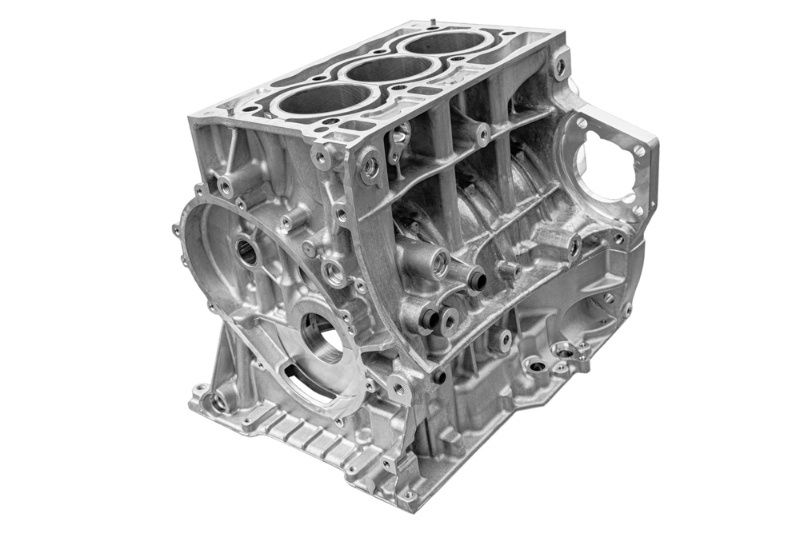
Picking a new car means looking under the hood and deciding which motor fits best. This 3-cylinder vs. 4-cylinder engine guide looks at how these engines work to move your wheels. There is a big difference between 3-cylinder and 4-cylinder engine designs that changes how the car vibrates and how much fuel it drinks. Many shoppers wonder whether 3-cylinder engines are good for long highway trips or just for city driving. By the end of this, choosing the right one will feel much easier for everyone.
Most small cars use one of these two types of motors to get you to work. The main difference between a 3-cylinder and a 4-cylinder engine is simply the number of metal buckets, called cylinders, that burn the fuel. A four-pot engine has been the standard for a long time because it is very balanced. Because there are four of them, they take turns firing to keep the engine very smooth.
Here's the thing about the three-cylinder version. It has one fewer part, making the entire engine smaller and lighter. What this really means is that the car does not have to carry as much weight. However, because three is an odd number, the engine can sometimes wobble a bit more when you are stopped at a red light. Car makers use special weights to try to stop this shaking, but you might still feel a little buzz in the steering wheel.
Explore More Tips: How Antifreeze Protects Engines & Enhances Car Performance
A lot of people ask whether 3-cylinder engines are good for everyday life or too weak. The truth is that modern ones are very powerful thanks to a part called a turbocharger. This part blows extra air into the engine to give it more kick. Let's break it down into why someone might pick the smaller option.
If you mostly drive in the city, where you go slow, these little motors are fantastic. They zip around traffic easily. What this really means is you get a car that is easy to park and cheap to run every single day.
Before buying, it helps to review the pros and cons of a 3-cylinder engine to see if you can live with the trade-offs. While they save money, they are not perfect for everyone.
When looking at the pros and cons of 3-cylinder engines, it is clear that they are built for efficiency. If you want a quiet and peaceful ride, the extra vibration might bother you after a while. But if you want to save every penny at the gas station, the three-cylinder is a champion.
As Previously Covered: The Top 10 Online Platforms to Compare Cars
If you want a car that feels more premium, the 4-cylinder engine's advantages are hard to ignore. Since there are four pistons, two move up while two move down; this creates a natural balance that makes the engine whisper quiet compared to the smaller ones.
Another advantage of the 4-cylinder engine is power delivery. These engines don't have to work as hard to reach high speeds on the highway. This often means the engine will last longer because it is not constantly under stress. It provides a more relaxed feeling when you are driving fast on the interstate. There is also a bigger difference in the feel between a 3-cylinder and a 4-cylinder engine when you are towing a small trailer or carrying a bike rack.
Choosing between a 3-cylinder vs. a 4-cylinder engine really comes down to where you drive. If your commute mostly consists of short trips to the grocery store or school, you will love the 3-cylinder. It is a smart tool for a specific job. On the other hand, if you drive for hours on the highway every weekend, the 4-cylinder is a better partner.
Let's break it down one more time—the difference between a 3-cylinder and a 4-cylinder engine in balance and cost.
When people ask if 3-cylinder engines are good, the answer is a big yes, as long as you know what to expect. They are not "lesser" engines; they are just designed for a different kind of world. Always take a test drive to see if the vibration of a 3-cylinder engine bothers you before you sign the papers.
Even with new technology, the 4-cylinder engine's advantages keep it the most popular choice worldwide. It is a proven design that mechanics can fix very easily. Parts are easy to find, and the engines are known to last many years without major problems.
Also, when you look at the pros and cons of the 3-cylinder engine, resale value is something to consider. Some buyers are still nervous about smaller engines, so a 4-cylinder car might be easier to sell later on. It is the safe and steady choice for most families who just want a car that works without any surprises.
Read Next: Discover the Top 10 Electric Motorcycle Models of 2025
Both engine types have a place on the road. The 3-cylinder saves you gas and space, while the 4-cylinder delivers a smooth, powerful ride. Think about your daily drive and pick the one that feels best under your feet. Study the specs and select your favorite car today.
Yes, most of them now have turbos so that they can keep up with fast traffic easily. They just might sound a bit louder when you are accelerating to merge.
Generally, a 4-cylinder engine may last longer because it doesn't have to work quite as hard at high speeds, but both are very reliable if you change the oil.
It is because the pistons are not perfectly balanced like a 4-cylinder. Manufacturers use balance shafts to help, but a tiny bit of vibration is normal for this design.
Not necessarily. In some cases, a 4-cylinder can be more efficient on the highway because it doesn't need to stay at high revs to keep the car moving.
This content was created by AI